





How To Effectively Cross-Train Your Nonprofit’s Team: 4 Tips

Ready to cross-train your team? Discover how to pick the right tasks, invite staff to take part, and build a plan that protects your nonprofit’s mission.
Imagine your nonprofit’s finance coordinator takes a week off, and your board asks for an updated report. You have plenty of financial dashboards, but no one else on your team knows how to make sense of them. As a result, the request is put off until your coordinator returns. When only one person can complete a task, even a short absence can create delays for your organization.
If your nonprofit regularly faces similar issues, it may be time to cross-train your team. Cross-training involves teaching team members how to perform tasks outside their usual roles so that more than one person can handle important work. This practice helps your nonprofit’s team continue completing mission-critical tasks, no matter who is out of the office.
In this guide, we'll walk through four key steps to strengthen your team’s operations through cross-training.
<hr></hr>
1. Identify where you need backup
Not every task on your team's plate requires extra support, and trying to cross-train for everything could leave little time for mission-critical work. As you create a cross-training plan, focus on the most important tasks, so you can protect your mission without stretching your team too thin. Start by reviewing what your team handles on a daily, weekly, and seasonal basis, and decide which responsibilities need a second person to step in.
As you create your organization's cross-training priorities, consider the following information:
- Essential tasks and their frequency. List the tasks your nonprofit can't skip and note how often each one happens. For instance, gift processing and payroll run on a regular weekly, biweekly, or monthly schedule, while audit preparation occurs just once a year. While frequently occurring tasks need backup as soon as possible, an important yearly responsibility, such as audit preparation, should receive attention a couple of months ahead of the deadline.
- Duties that affect external stakeholders. Think about the people outside your team who count on you, such as donors, beneficiaries, grantmakers, and auditors. If only one person can handle time-sensitive, externally-facing tasks, you should prioritize those responsibilities in your cross-training. For instance, you may have your development coordinator teach your administrative assistant how to pull gift reports from your CRM.
- What risks your organization faces. Consider what would happen to each task if the person who handles it were to step away for a few weeks. Think about how delays could affect your team’s cybersecurity, legal compliance, and capacity during busy times, such as year-end giving season. The tasks associated with the largest risks should take priority as you cross-train your team.
Weigh these factors to focus your cross-training efforts on the processes that help your nonprofit deliver on its mission. That way, both those learning about processes and those training them can focus on your organization’s top priorities without spending too much time away from their core responsibilities.
2. Set goals and invite team members to cross-train
A structured, people-first approach helps make cross-training feel like part of your mission rather than an extra assignment. Before you ask anyone to learn something new, decide what you want your cross-training to accomplish and articulate how it relates to your organization’s mission. Your goals might include:
- Reducing delays for program recipients and donors
- Covering a team member's extended leave or planning for their retirement
- Preserving institutional knowledge for years to come
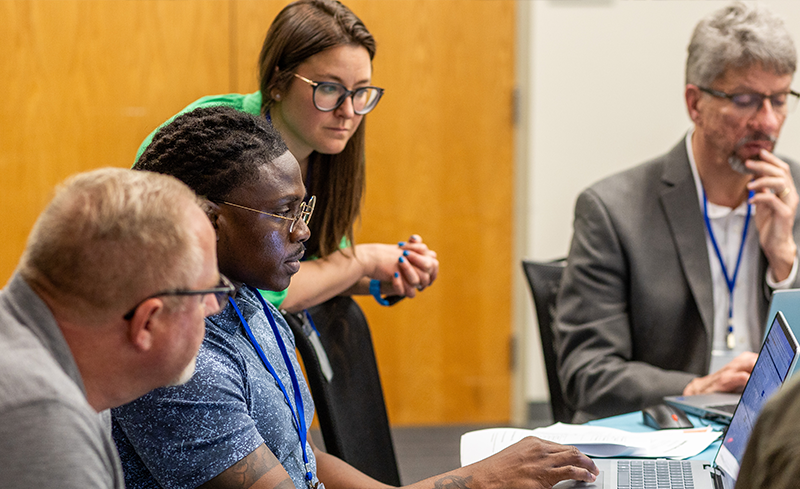
Next, identify who will teach and who will learn. Trainers should know how to perform the task and be able to explain the reason behind it. They should also be willing to train a beginner and document the process, so the next learner has something to follow.
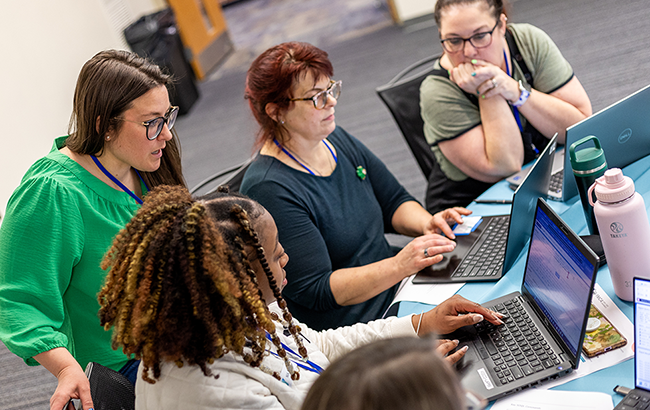
Learners should be curious about functions beyond their main role and have the time to learn and provide backup support. Ideally, they can also apply what they learn to their everyday work, which makes the training more useful and more likely to stick. Inviting team members to take part instead of assigning them new responsibilities without warning gives them a choice in the matter and increases their enthusiasm for learning new skills.
3. Create a clear cross-training plan
Once you know what you want to achieve through cross-training and who will be participating, you will need a document that outlines your intentions, your approach to training, and how you will measure success. A plan keeps training from slipping down your to-do list during busy times and gives both trainers and learners a sense of what comes next.
- Choose a format for your training. A mix of training formats helps you keep sessions engaging and gives learners multiple ways to absorb the material. For instance, you might hold in-person training sessions, record videos that include knowledge checks, and share downloadable resources and checklists. To create your materials and keep them organized, consider investing in a nonprofit learning management system (LMS).
- Determine how to prove readiness. Before training begins, determine how a learner will demonstrate that they've completed their cross-training. For example, a volunteer coordinator's backup might run a successful volunteer event under the trainer's supervision, then run another one on their own. Defining success early on helps learners meet expectations and trainers feel confident that their trainees can cover for them.
- Set a timeline to revisit training. Skills fade when they’re not used, and processes change over time. Schedule recurring check-ins and refresh sessions to ensure your cross-training efforts stay up to date.
Once you begin cross-training, track learners' progress to keep your plan moving. Look for an LMS that can show you who has finished which lessons, who is ready for a final check, and who might need extra help, so you can offer support to ensure effective backup coverage for the tasks that impact your organization most.
4. Protect staff bandwidth and show appreciation
Cross-training shouldn't feel like taking on extra work for no reason. To show your team that your efforts have a purpose beyond adding to their workloads, treat cross-training as a way to provide your team members with opportunities to grow.
To protect your team's time and build enthusiasm, try the following strategies:
- Adjust core expectations and set training caps. Account for training time in each person's regular responsibilities so trainers and learners don't feel overwhelmed. For instance, if a trainer spends two hours a week teaching, you might move a recurring task’s deadline or assign it to another team member. You should also set a weekly cap on training to avoid crowding out learners’ and trainers’ core work.
- Communicate the purpose of your cross-training efforts. Connect your cross-training to specific goals, such as providing extra support during busy seasons, covering parental leave, and preventing problems if a team member leaves your organization. Share these goals with trainers and learners to clarify what their efforts will help your team achieve.
- Recognize the efforts of both trainers and learners. Cross-training takes significant work from both trainers and learners, so acknowledge the efforts of team members involved in the process through informal methods, such as sending an e-card or giving a shout-out in a meeting, as well as formal gestures like awards. If someone takes on additional responsibilities for an extended period of time, consider a raise or promotion if your budget allows.
Respect your team's time, and celebrate their effort to show your staff that cross-training is an investment in their careers, not just a safeguard for your organization.
<hr></hr>
The bottom line
By building a cross-training program that connects recurring tasks to broader organizational priorities, you can prevent interruptions to mission-critical work and give your nonprofit’s team members room for professional development. If you are looking to get started by picking one essential task that needs backup, inviting a trainer and a learner to help you achieve your goal, and setting a time for their first session.
If your nonprofit is ready to protect its mission and invest in its people, let’s talk about how we can build a more resilient team together.